
Lessons from Fires, Fears, and Horses
: This Week, My Worst Fear Became Reality

The illusion of control over my life—deeply intertwined in my DNA since childhood—shattered as quickly as the fires engulfed the brittle landscape.
I watched my city burn, and with it, any lingering sense of safety I had for my daughter’s future. Thousands lost everything in an instant—friends, colleagues, acquaintances, strangers. Even a woman as close as a sister. Everything but their heartbeat. Everything but their aliveness.
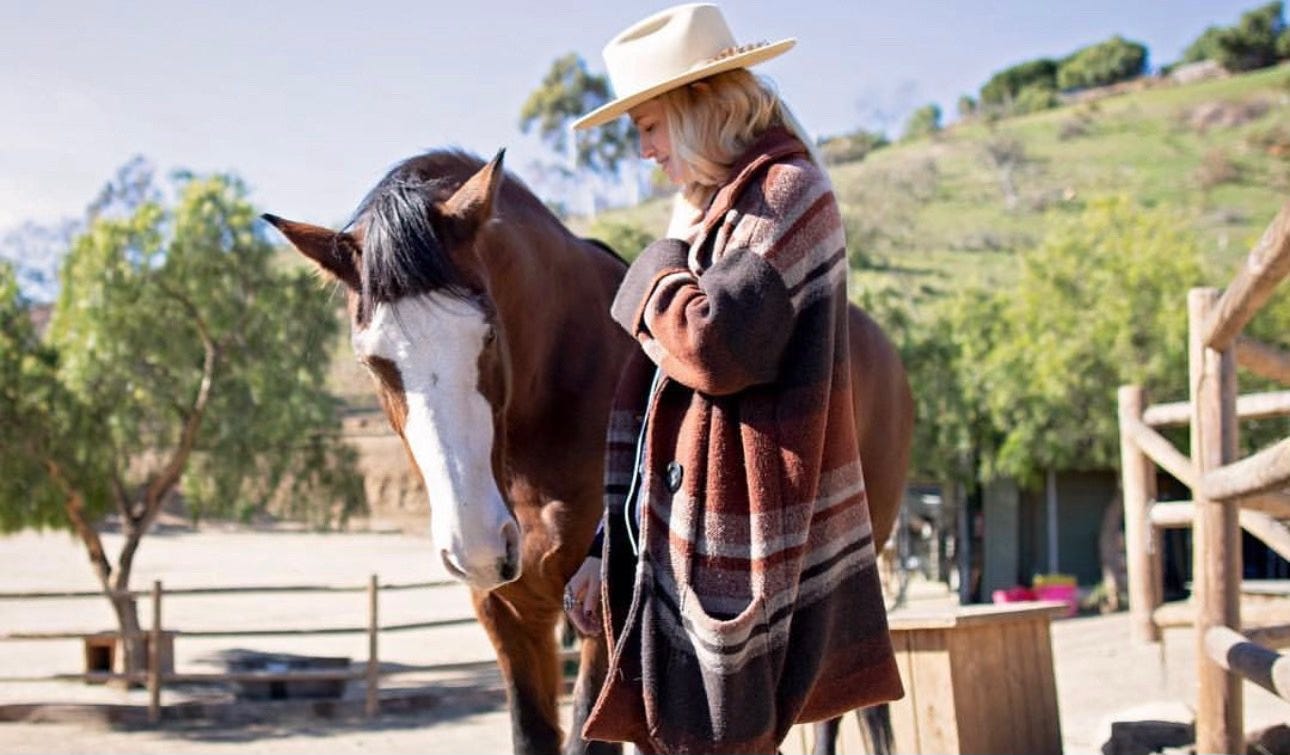
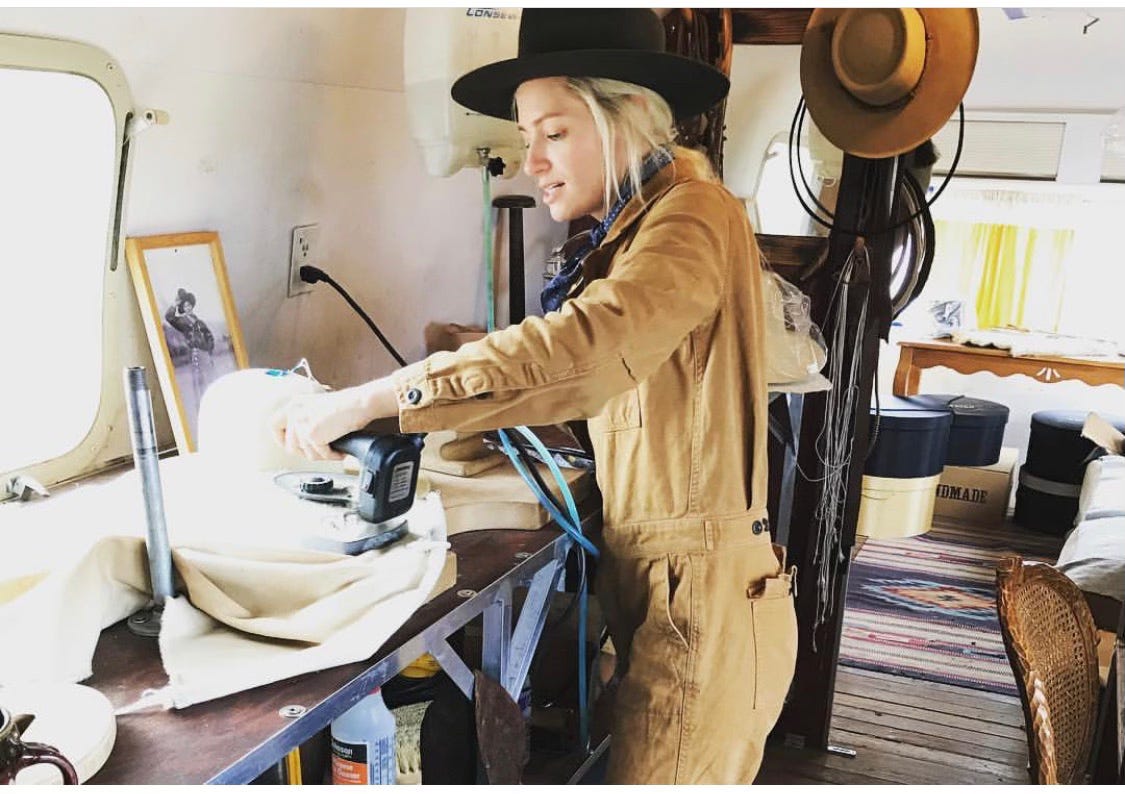
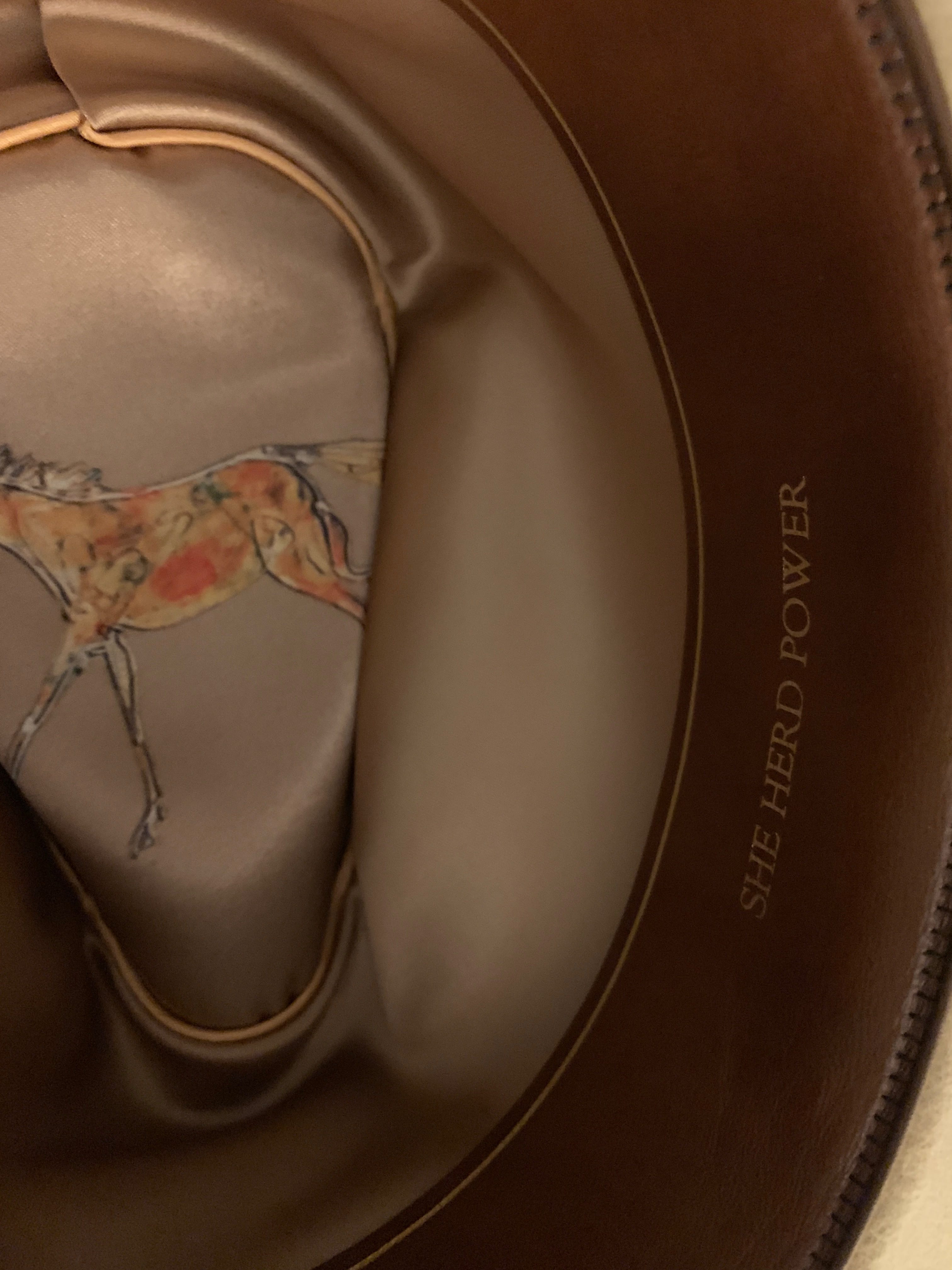
When the fire sprung up a few miles away, we grabbed the dog, our daughter, a guitar, and the cowboy hat I built with my own hands.
We clung to each other—a family stronger in bond, weaker in fear than ever before.
I felt numb. Denial. Gratitude. Sadness. Survivor’s guilt. Anger. Fear. The familiar, but never dissipating, strangle of anxiety.
“Chop wood, carry water,” the Buddhist poet Layman Pang says. And I tried.
But none of the ol’ box of tricks in my “wellness” toolbox seemed to dissipate the fear stuffed so deep in my nervous system I thought I would burst.
We never know if we’re going to be okay.
Each day is a mystery.
A catastrophic wildfire was what it took to make me fully realize the truth of what it means to be human—that we are all living hour to hour, moment to moment, in a state of “unknowingness.”
It’s the most uncomfortable place to live. That’s why I’ve spent my whole life avoiding it, dissociating through any and all uncomfortable, traumatic events of my life thus far. A 39-year war with myself. Stored deeply in the intricate layers and passageways of a human body.
Predictability and routine were the pillars of my mental health—not the destabilizing truth of reality.
I’ve read all the books, done all the meditation, eaten all the kale. But to quote Dr. Bessel van der Kolk:
“The body keeps the score: If the memory of trauma is encoded in the viscera, in heartbreaking and gut-wrenching emotions, in autoimmune disorders and skeletal/muscular problems, and in maladaptive behaviors, then we must find ways to help people move beyond their ‘stuck’ places.”
But how? How do we release deeply encoded, visceral trauma when we’re stumbling through the day—pants on backward, eating sausage straight from a Ziploc bag—because that’s just how life looks in the aftermath of a fire?
I knew horses had worked magic in my life during the darkest of times. So, I spent my sleepless nights pouring over videos of horses in the wild.
How do these prey animals endure the constant threat of wolves, mountain lions, cougars, and humans—yet do not remain trapped in fear? How are they able to seamlessly return to the present moment, mindlessly grazing, time and time again, without storing the trauma in their bodies?
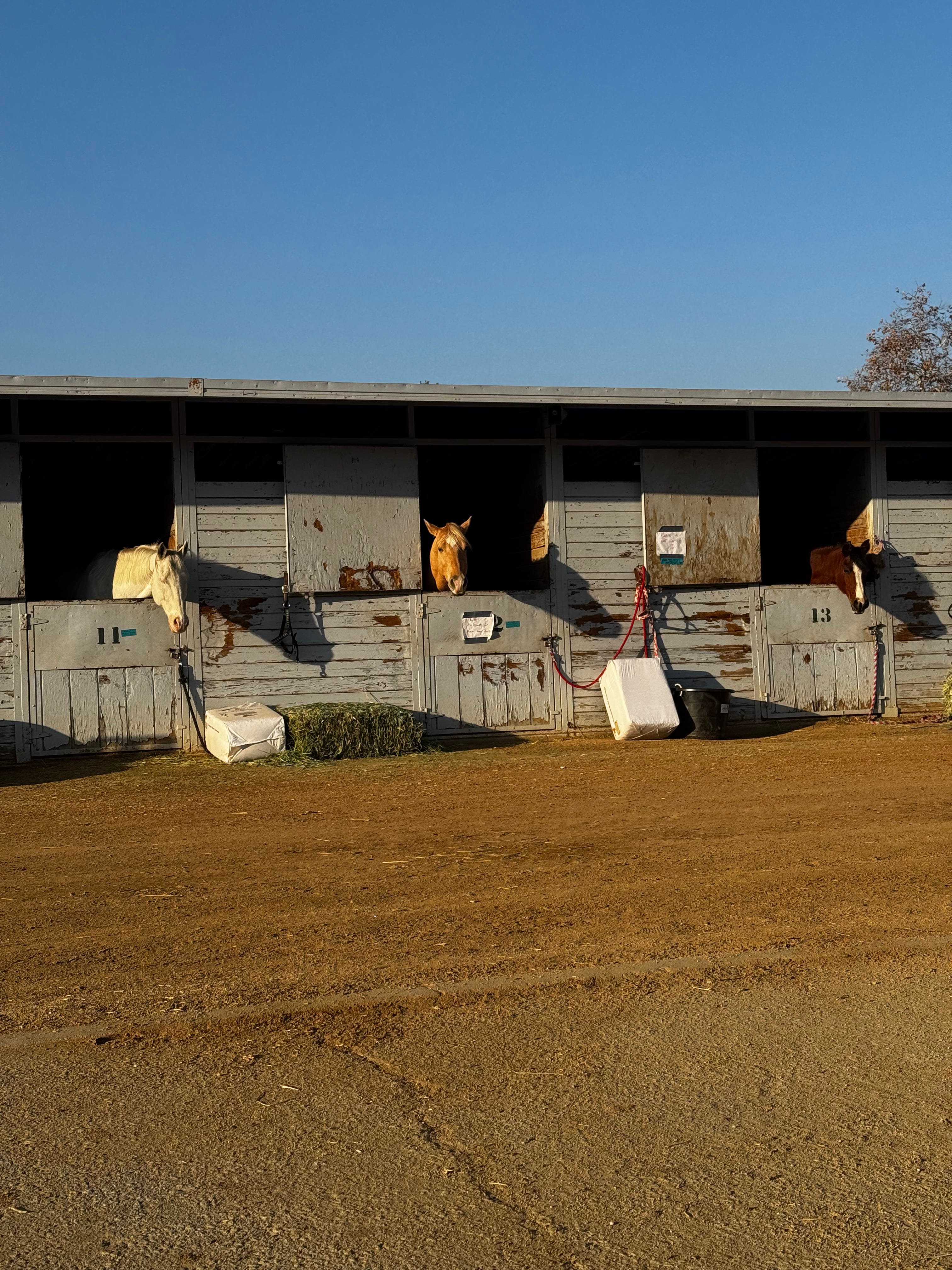
They instinctively release it, whereas we humans instinctively internalize it.
I’m sure many scientific books detail these biological and physiological processes, but cognitive and spiritual understanding aren’t the same.
With the future of climate catastrophe an ever-present threat to my daily life and my daughter’s, I was desperate to find tools to regulate my nervous system the way the wild horses do. Stop struggling to “intellectualize” healing and instead learn to embody it.
I finally came to terms with the fact that despite all my best self-help practices, my body was still holding fear.
I realized my insomnia-driven deep-dive into wild horse videos wasn’t random. It was my nervous system seeking something deeply primal, wild, and known.
I cannot control nature, disasters, or their aftermath, just as the wild horses cannot control those things. Perhaps accepting this powerlessness is the first step toward embodying the peaceful presence of the wild horses.
This letting go of control—a control my straight A’s, Type A ass has spent 39 years doing everything in her power to harness and keep close—might be the only way forward.
Cultivating resilience isn’t about never feeling fear—it’s about moving through terror with deep, unshakable trust that peace lies on the other side. Even if, in reality, that peace isn’t guaranteed. Even if the only certainty is that life itself is finite.
Many call this primal trust God or a higher power. But what do the horses call it—if they call it anything at all?
Maybe all it is, is the choice not to question whether they will make it through, but to just keep going anyway.
Their world and ours will always be unpredictable. However, the horses don’t rely on guarantees; they rely only on each other. As herd animals, they move together in harmony with what is and don’t resist what cannot be controlled.
Maybe then, I, too, could learn to find safety in community connection and not certainty.
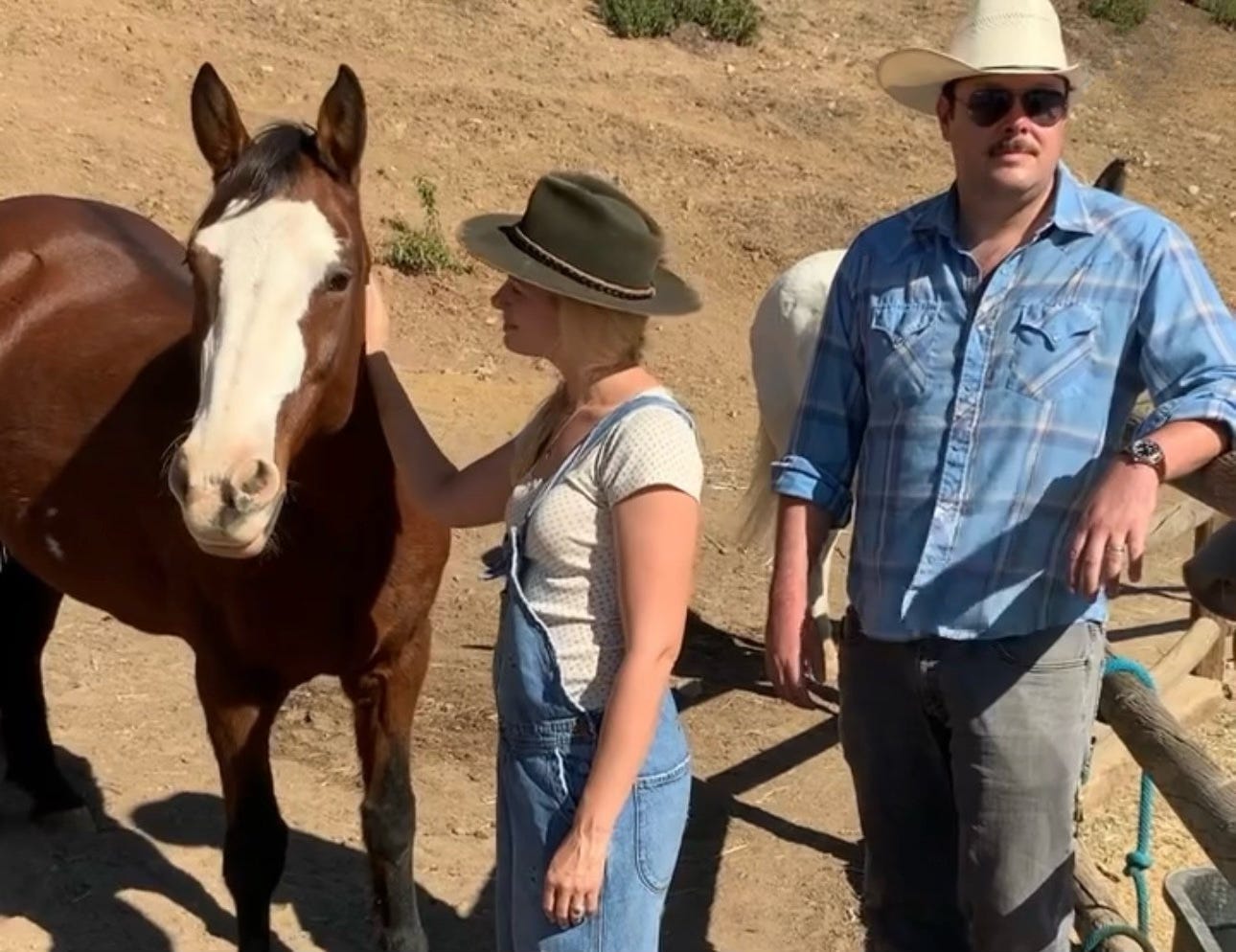
This, in fact, involves no self-help books, hours spent meditating, or diarrhea-inducing kale diets.
It only requires that I spend time in my community, connecting with those who share my love of horses, or comedy, or my family and friends.
It requires the courage to embrace vulnerability—to resist the instinct to dissociate from mortality and suffering, and instead, remain fully present to what is.
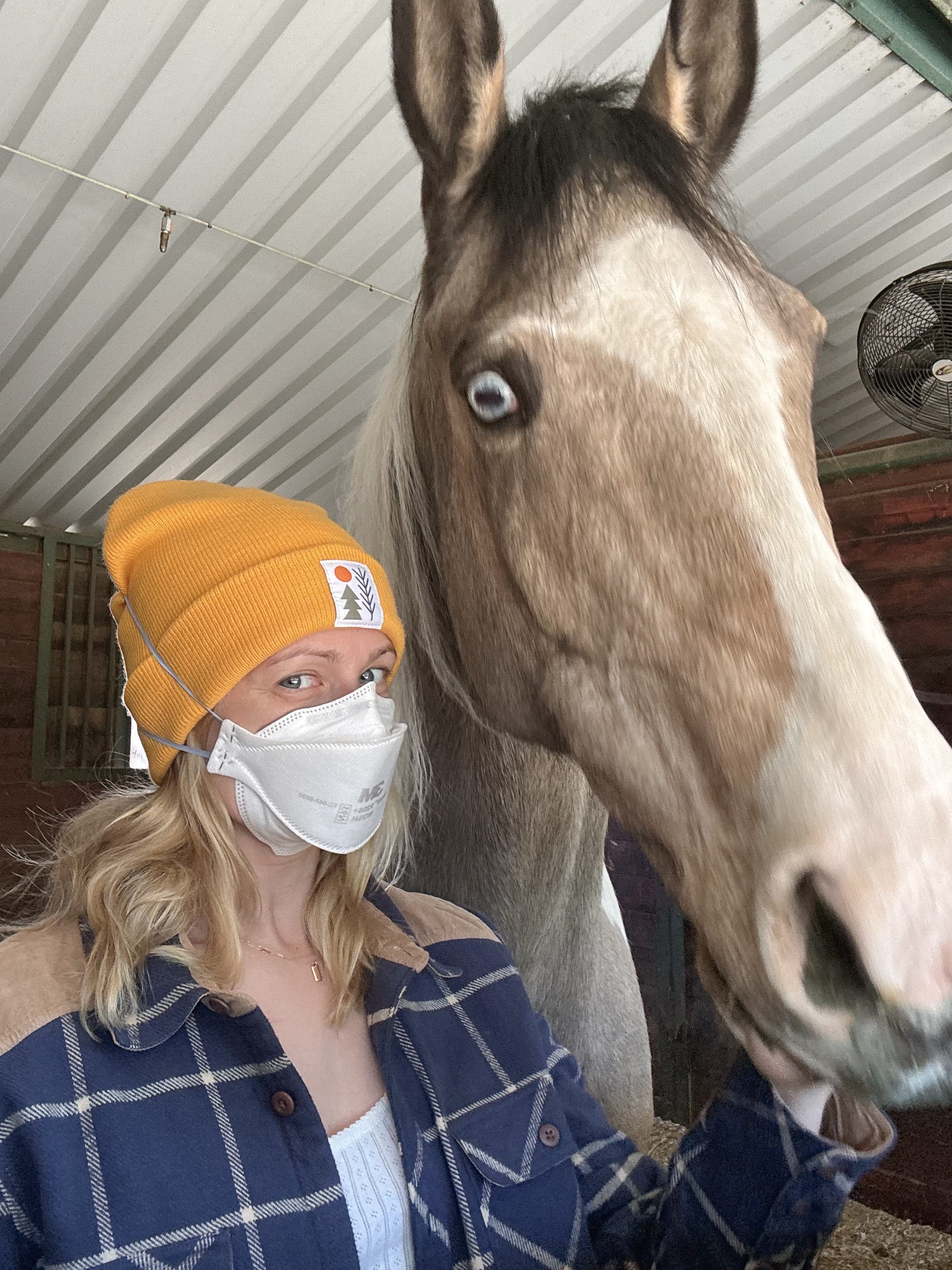
I always tell my daughter, “Horse girls don’t give up.” Maybe if I can learn to trust the way horses do, she will too—teaching her by example that healing isn’t about conquering our fear, but about finding the people (and animals) who will stand beside us when it comes.
I don’t know what’s next. But like the horses, I will keep going
.
Here to stand beside you when the fear comes.
Thank you for your words sis
Love this, Beth. Not your circumstances—I hope you know stability soon—but your poignant words. They are a lesson. Also props for you being with Skydog! I love them to bits.